



The Best App for Gig Drivers in 2026
Rideshare services like Uber, Lyft, and Minneapolis-based MOOV have created convenient, cost-effective solutions for getting around, powered by drivers who spend long hours on the road. But that constant time behind the wheel comes with increased legal risk.

How Have On-Demand Legal Services Changed Access to Justice?
Access to justice in the United States is often difficult to obtain. High legal costs, geographic barriers, and limited access to legal resources prevent many people from getting the help they need

Spring Break Travel Tips With TurnSignl
Spring break is right around the corner, which means some necessary relaxation, vacationing, and sunshine! However, it also means long road-trips, increased police presence, and unfamiliar laws. If you are traveling soon, read along to ensure you have all the fun and relaxation you deserve: backed by safety.

Do You Need a Lawyer When You’re Pulled Over?
You’re headed home after work, and just like that, you see flashing red and blue lights in your rearview mirror. Your heart is racing, your hands grip the wheel, and you wonder — what should you say? Did you do anything wrong? Where is your insurance card? If things go wrong, can you call a lawyer?
Let’s break down what the experts say, what you might not already know, and when it makes sense to have tools like TurnSignl to provide real-time guidance in the moments that matter most.

What Should I Tell My Lawyer?
Have you ever wondered if you should tell your lawyer everything? In these situations, it's important to understand what information to disclose and what to keep to yourself.
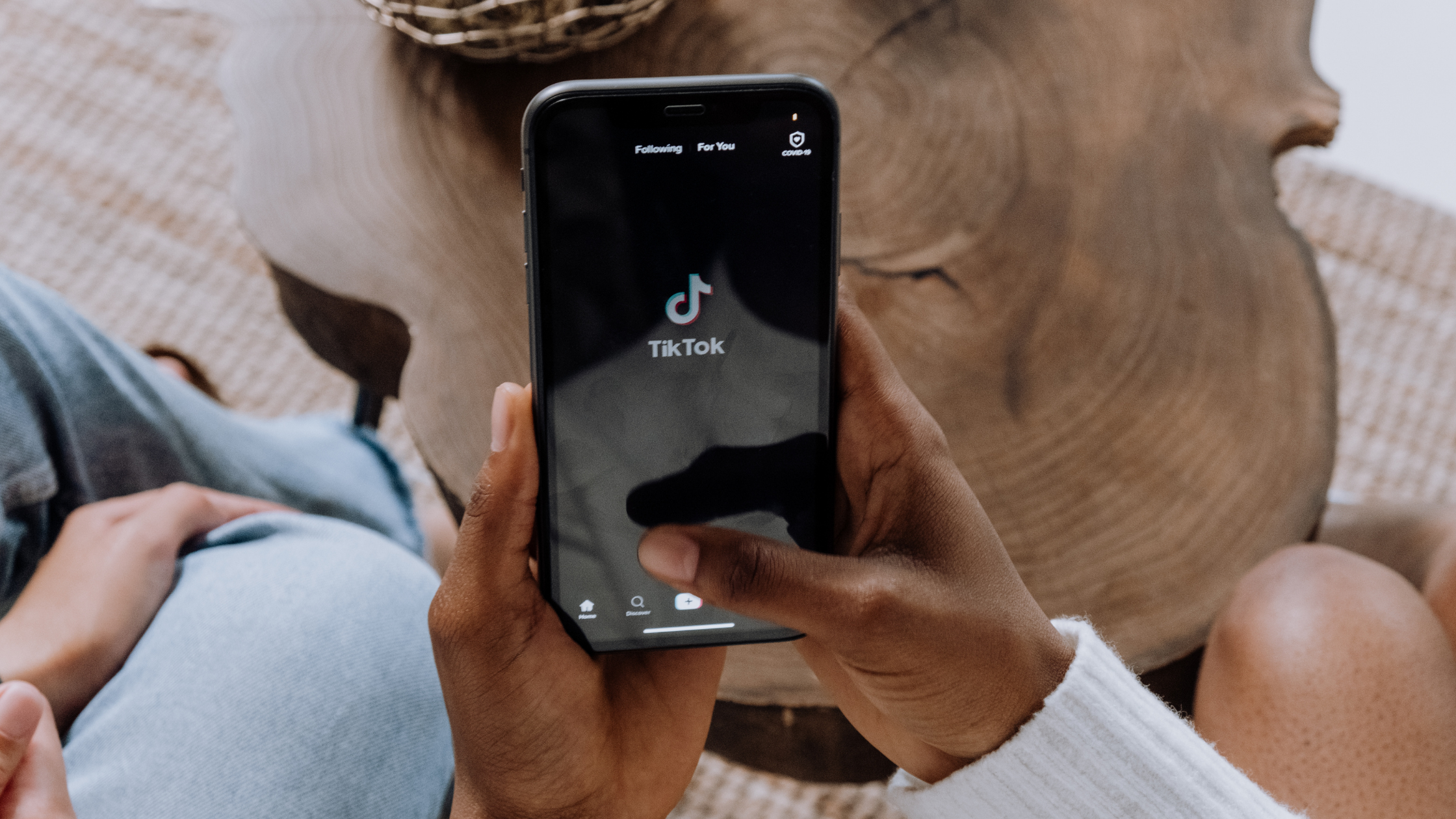
Why You Shouldn’t Get Legal Advice from TikTok
On #LawyerTok, attorneys are telling stories, explaining legal “loopholes”, and even giving out tips on how to deal with law enforcement. We looked into this trend to see if you should trust the legal advice you find online..